

Community Action Projects
Creating Meaningful Impact
The goal of FFI's programs is to help young people become the best versions of themselves so they can help their community become the best version of itself. To work towards this, all participants of our Immersion Programs create a Community Action Project that addresses a need in their home community. They participate in a series of workshops that help them design their project, including creating a project online, setting goals, budgeting, and writing a proposal. Once these have been completed, participants create a presentation describing their project and their execution plan, including fundraising plan. FFI invited members of the community that they worked with or were inspired by on their programs to listen to their presentations and provide feedback.
We have organized presentations from past cohorts into topics below. We hope you enjoy hearing about each project.
Completed Community Action Project Highlights
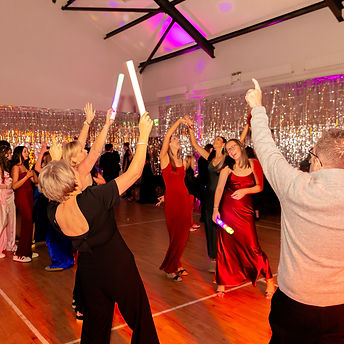
Lucy
County Down, Northern Ireland
"Cost Effective Formal"
"My CAP involved bringing together the youth of my broken and divided community through a formal. This allowed them to get to know each other and break down stigmas. The formal came at the grand cost of £15 reducing financial pressure on families that struggle with low incomes. Many of the youth wouldn’t have the opportunity for formals with the majority of local schools not offering post 16 options. They all got a warm cooked meal, photos and a DJ. It was a very good success with the young people to the extent that it is becoming an annual tradition at their request. Also, the youth surprised me at the end of the night by deciding together that instead of the profits being re-invested in the youth club, to donate them to the charity, cancer fund for children, in honour of my friend who passed from cancer four days before."

Conor
County Armagh, Northern Ireland
"The concept of a living library is to hear stories you’ve never heard before from perspectives different from your own. A typical book is a one-way flow of dialogue, while speaking to someone directly allows you to really see them and ask questions to better understand their story. I had previously experienced a similar workshop where I got to speak to a man who was in the Taliban. And although a trained terrorist, the opportunity showed me how easy it is for someone so antagonised to fall into the trap. I want history books to not just give the perspective of the protagonist because if we understand why someone is an antagonist we would have a better world. Reading is good but talking opens a whole other dimension"


_heif.png)