Learn to nourish yourself.
Cooking gives young people practical skills they can take home: preparing vegetables, building a meal around beans or lentils, and feeding themselves with confidence.

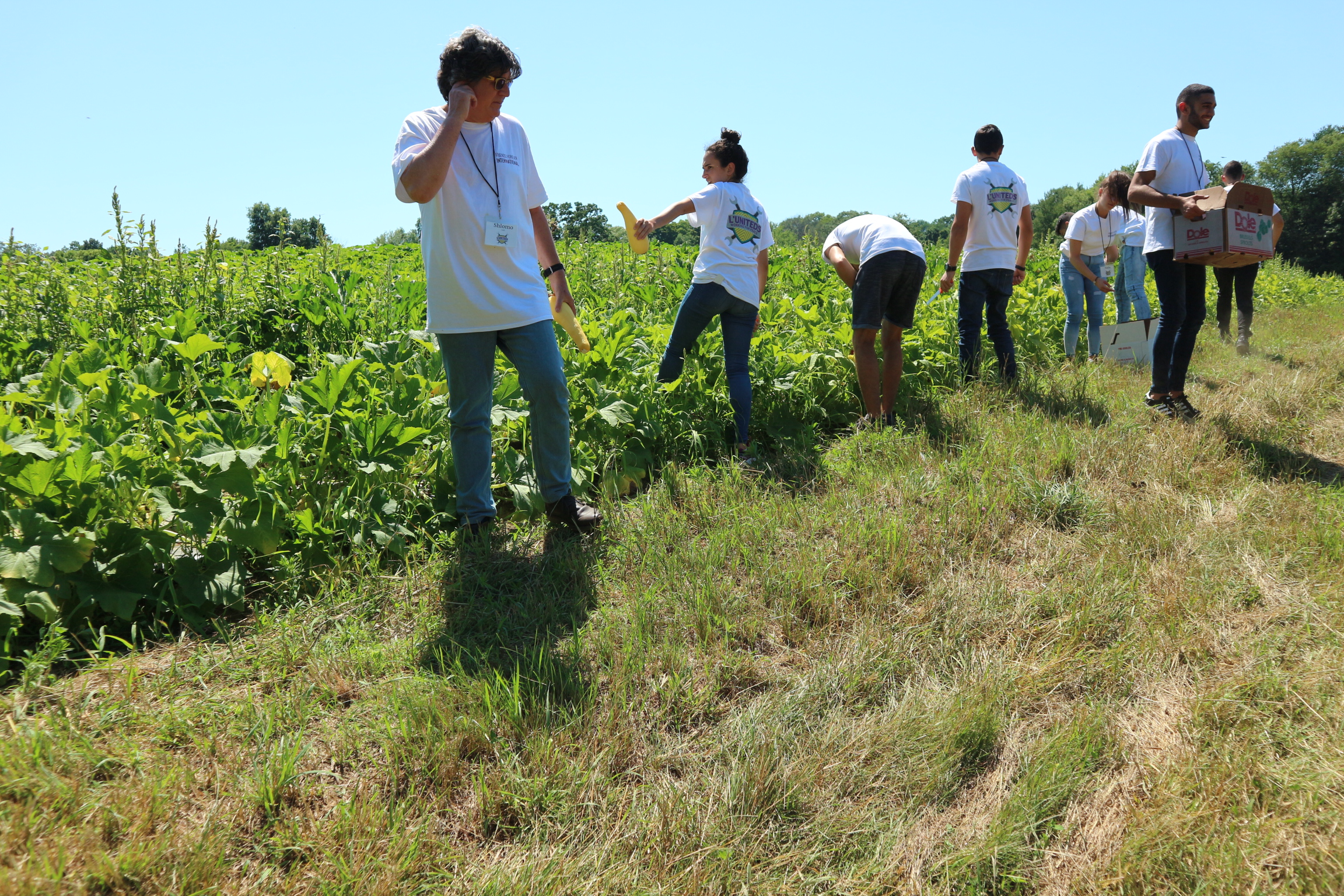
Why plant based
At FFI, care for others is something we practise every day. That includes the food we prepare, the animals affected by our choices and the land and water those choices require.
Explore our reasonsplant based program meals
Our commitment since 2022
To our knowledge, FFI is the only global youth leadership program serving fully plant based meals across all its campuses.
Cooking gives young people practical skills they can take home: preparing vegetables, building a meal around beans or lentils, and feeding themselves with confidence.
Preparing a meal means thinking about someone else’s needs. Participants learn to check ingredients, listen to one another and share the work. A common plant based menu gives people from different backgrounds a starting point for eating together.
Food connects our daily lives with animals, farms, water and forests. Serving plant based meals puts compassion into practice and helps us explore how personal choices affect the wider world.
A powerful choice for the planet
“A vegan diet is probably the single biggest way to reduce your impact on planet Earth”
Joseph Poore · University of Oxford · Read the research interview
Eating plants reduces the resources needed to feed us. It cuts food emissions, lowers water use and reduces demand for land used to raise animals and grow their feed. That is why every FFI program serves fully plant based meals.
See the impact over a year
How many people?
How often?
Estimated reductions compared with a diet containing at least 100g of meat a day, using a UK study of adult diets.
1 person eating plant based every day, for one year
Less water used
46,000U.S. gallons a year
About 175,000 litresLower food emissions
2.8metric tons CO₂e a year
Carbon dioxide equivalentScarborough et al., Nature Food (2023), compared UK adult diets at 2,000 calories a day. Published median daily footprints: vegan diets used 410 litres of water and produced 2.47 kg CO₂e; higher meat diets used 890 litres and produced 10.24 kg CO₂e.
Differences of 480 litres and 7.77 kg CO₂e are multiplied by 52, 156 or 365 days. Water is converted at 3.785411784 litres per U.S. gallon. Group totals multiply each person’s estimate by the selected number of people. Results are rounded illustrations; actual savings depend on the foods replaced and how they are produced.
Read the diet and environmental impact studyMore room for forests and wildlife
75%+less farmland needed in a world without meat and dairy
Oxford research found that the world could still be fed using more than 75% less farmland without meat and dairy. Reducing demand for pasture and animal feed creates an opportunity to restore forests and other native habitats.
Agricultural expansion drives nearly 90% of global deforestation. Protecting trees starts with reducing the pressure to clear the land they grow on.
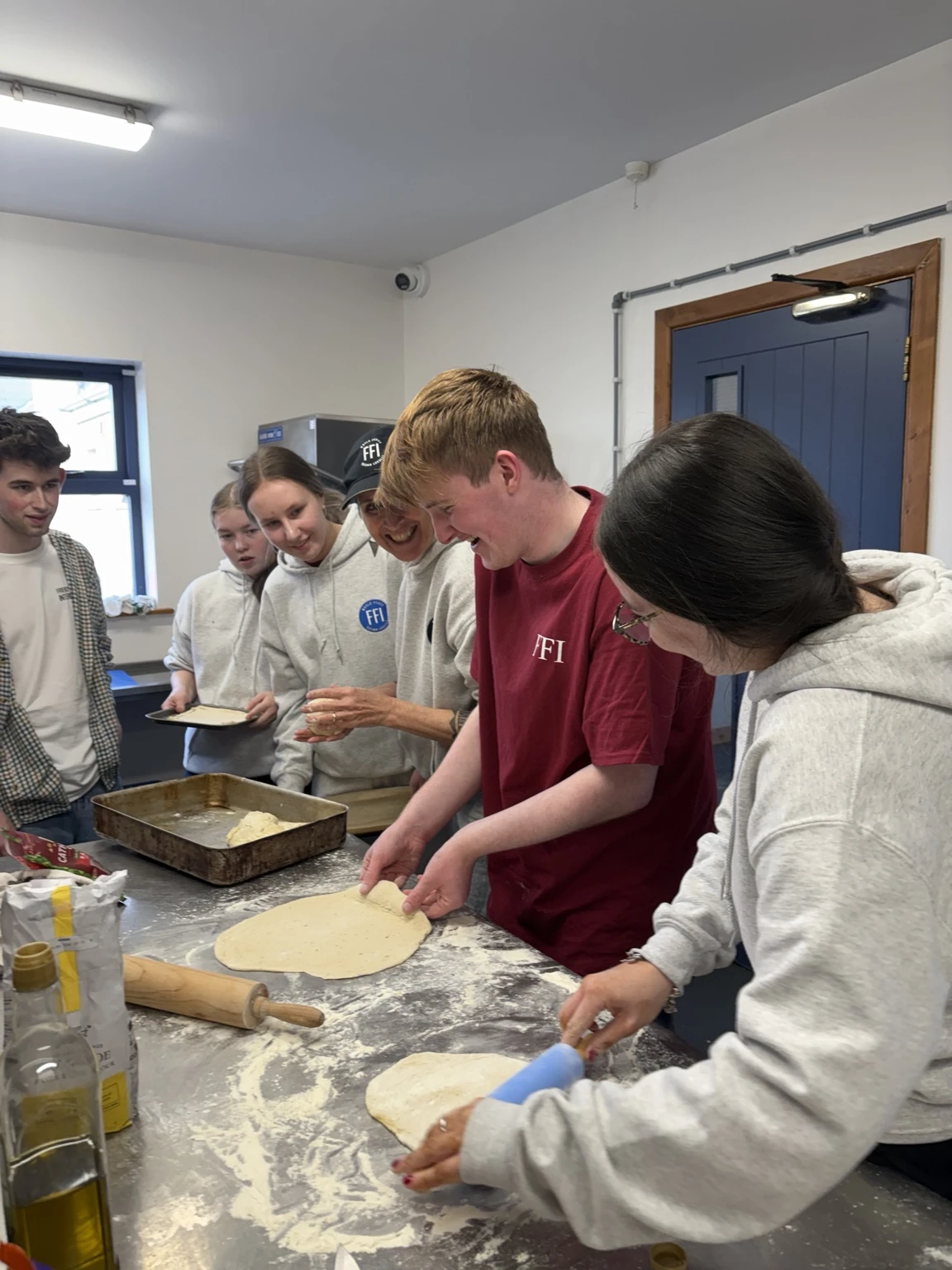
Learning in the kitchen
A shared meal takes planning, communication and effort. Who is cooking? What does someone need help with? How do we make sure everyone has enough?
These are small decisions with immediate consequences for other people. They give participants a way to practise the same responsibility and consideration we ask of them throughout the program.
Food also opens a conversation about culture, farming, animal ethics and the environment. Participants can ask questions, share their own traditions and learn how to prepare something new.
Preparing meals without raw meat, poultry or fish removes the need for young cooks to handle those ingredients and manage their cross contamination risks. Young people learn to cook responsibly, with clean hands and equipment, washed produce, safe knife skills, appropriate cooking and prompt refrigeration.
FDA produce safety guidanceHealthy living at FFI
At FFI, plant based meals are part of a daily rhythm that helps us care for ourselves and one another. Our programs are 100% tech free, with daily mindfulness, meditation and yoga, time for journaling and physical activity, and outdoor experiences such as hiking, swimming and snowshoeing. We cook and eat together, drink water, and leave soda and energy drinks out of the program. Together, these habits give young people time to move, reflect, build confidence and connect with the people and world around them.
Explore healthy living at FFIBefore you arrive
You do not have to eat this way at home to join FFI. Come ready to participate, try new things and talk with us about what you need.
Ask the programs teamProgram meals do not contain meat, fish, dairy or eggs. We use plant ingredients and ask participants to take part in the meals and shared routines during their program.
No. FFI serves plant based meals during the program. You are welcome to bring questions and your own experience to the conversation.
Leadership includes noticing how our actions affect others. Food gives us a familiar, practical way to explore that responsibility and make decisions together.
Learning beyond the classroom
At an animal sanctuary, the discussion becomes personal. Participants meet rescued animals, hear their stories and consider what care and responsibility look like in practice.
Our Compassionate Cuisine group visited Unity Farm Sanctuary as part of exploring the connections between food, animal welfare and our everyday choices. Those encounters give students something real to bring back to the kitchen and the classroom.
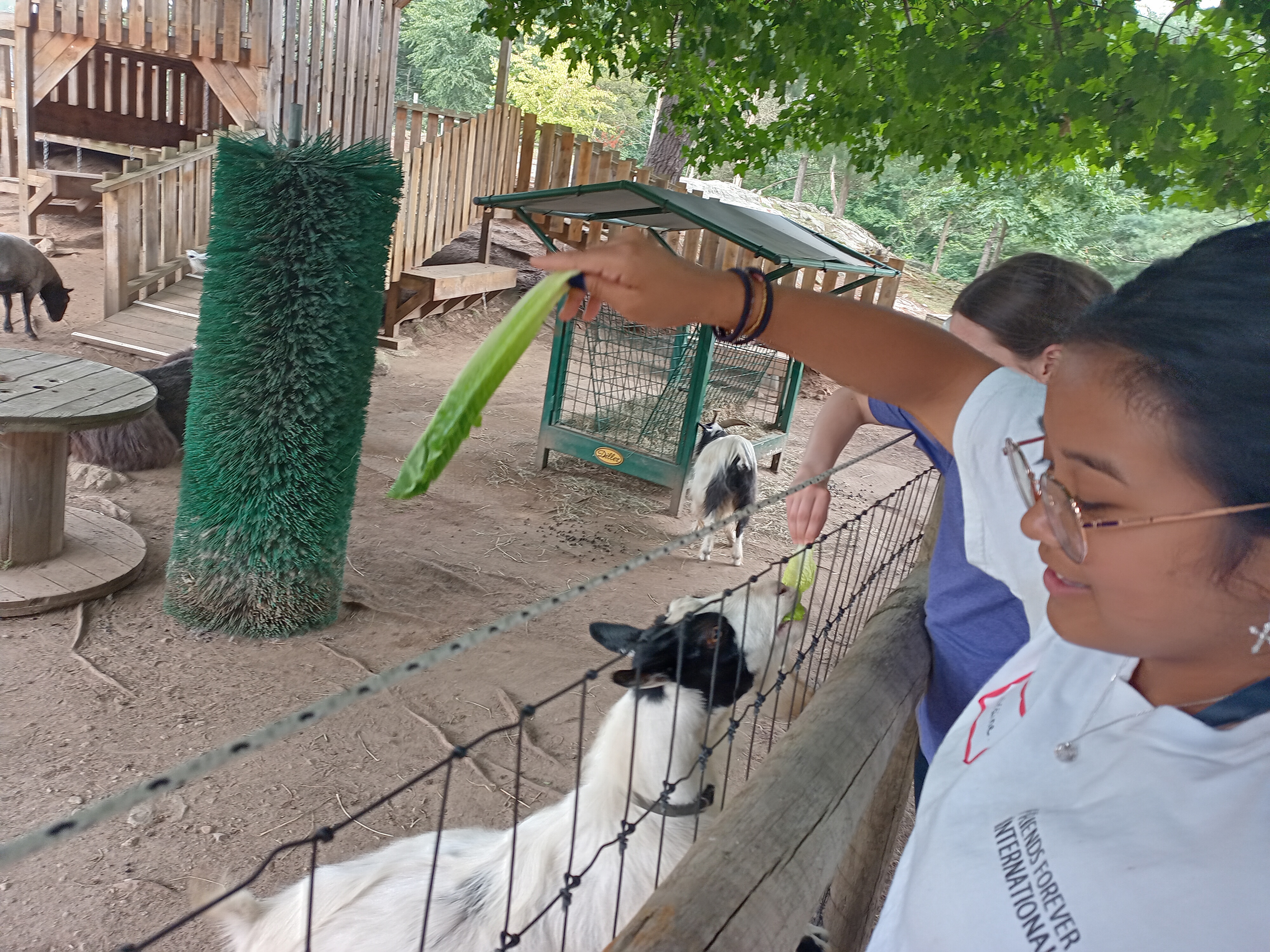
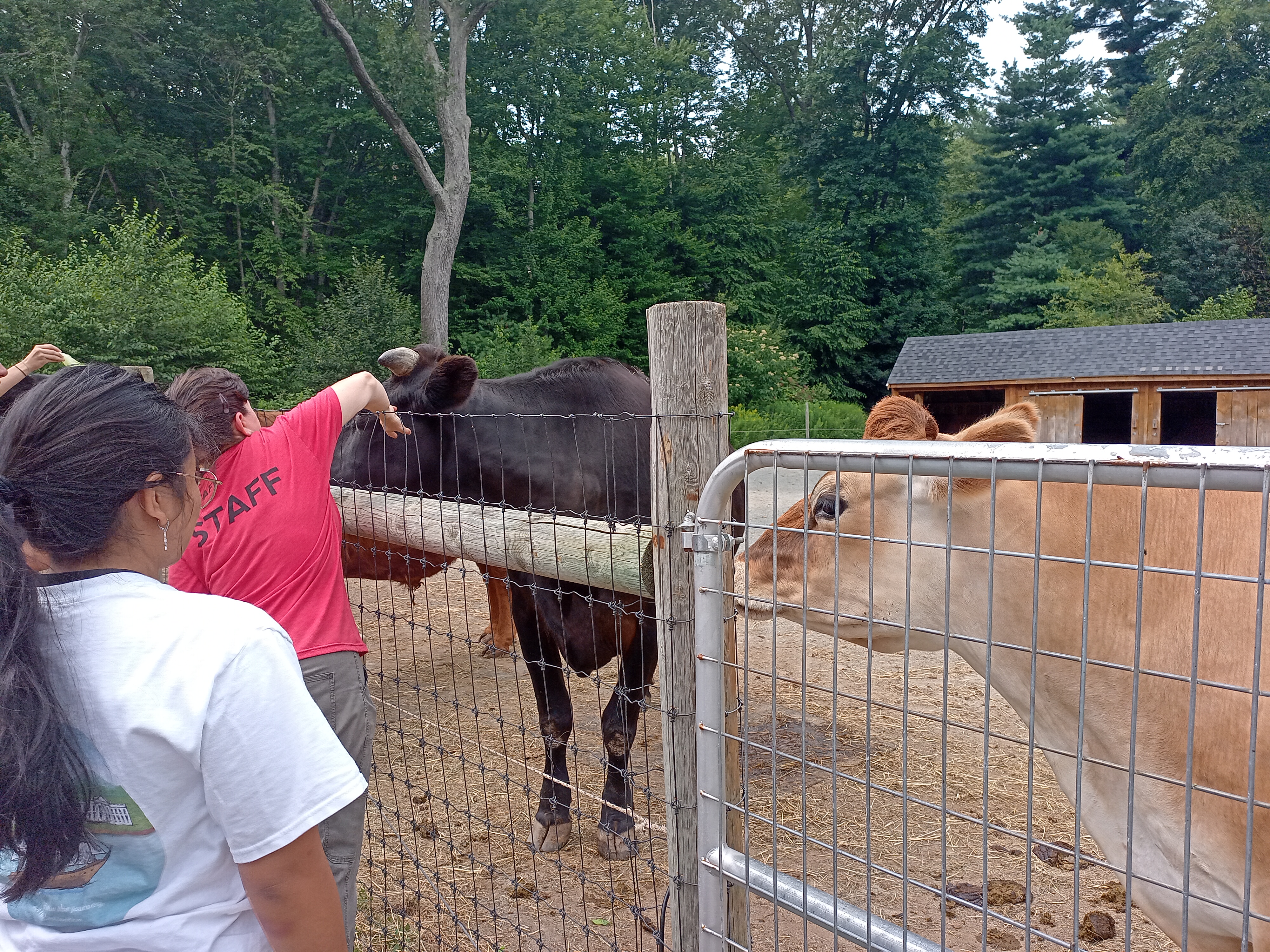
Meeting rescued animals at Unity Farm Sanctuary.
High school credit. Questions that matter.
To our knowledge, FFI is the only provider in the United States offering dedicated high school credit courses in both plant based eating and animal ethics.
These subjects belong in education. Young people can investigate the science, weigh different perspectives and learn practical skills, then connect what they discover with choices in their own lives.
Health credit
Explore nutrition and environmental impacts, learn from food professionals, prepare recipes and discover resources in the community.
Biological Science credit
Investigate animal cognition, welfare and rights, and examine our responsibilities in food production, research and everyday human relationships with animals.
Approved through New Hampshire’s Learn Everywhere program. Course availability depends on the program and student interest.
Explore the courses · How high school credit works